The internet’s trust layer

Prove what’s real.

Verified creators sign their work before they publish. Anyone can then confirm it’s genuinely theirs and unaltered — wherever it travels, even after a platform re-encodes it.

Coming soon How it works

Checking is free for everyone, forever.

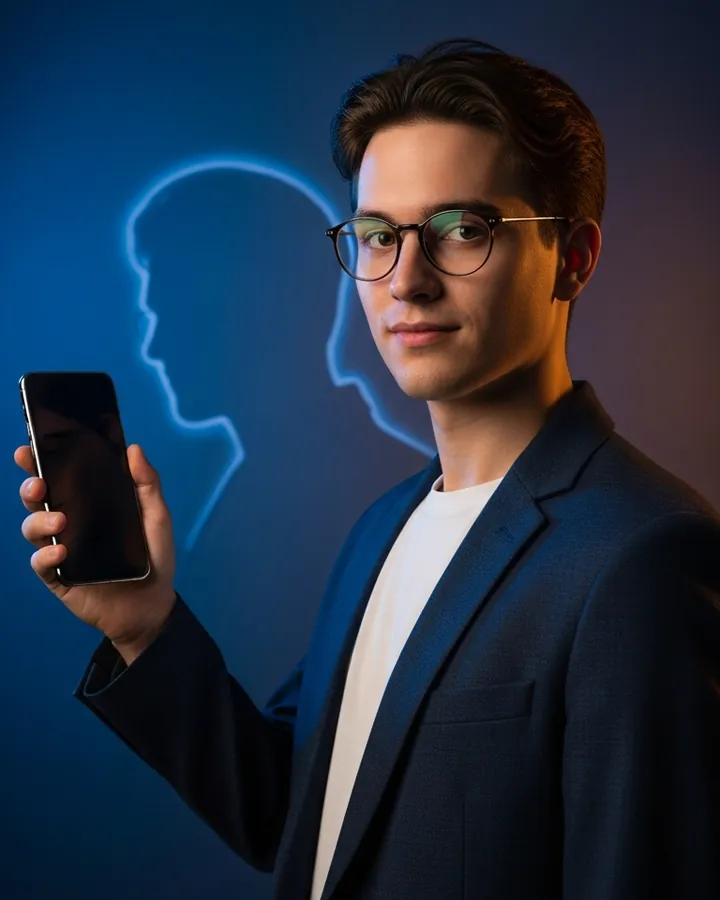
A confident creator holding a phone, looking to camera, lit against a deep blue-ink background.

The gap

Anyone can fabricate. Almost no one can prove what’s real.

Generative models now produce images, video, and audio that people cannot reliably tell apart from real recordings. The cost of a convincing fabrication has collapsed to near zero. The tools for proving something is real have not kept pace.

That leaves one structural gap: anyone can fabricate content, but no one can prove authenticity. The missing piece is verifiable provenance — a way to establish that a specific piece of content came from a specific person and has not been altered since.

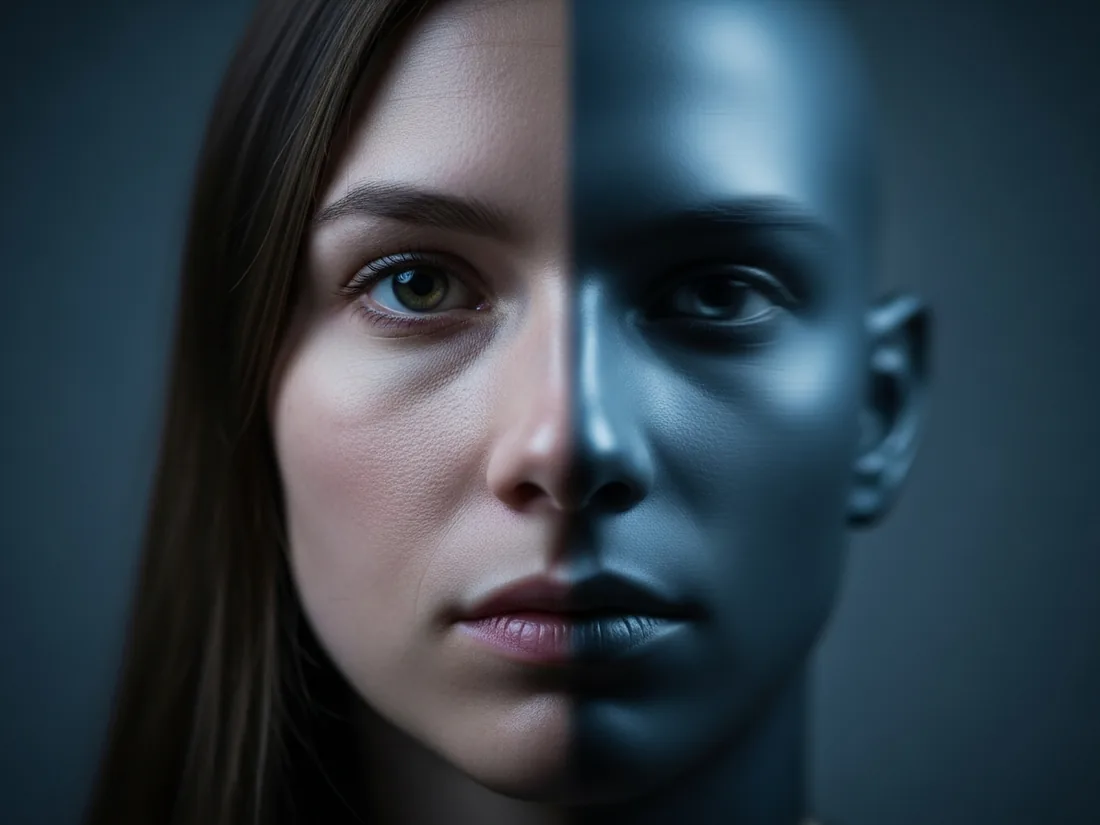
A single thoughtful face dissolving between a sharp half and a blurred half, in deep ink tones with subtle cyan light.

How it works

One step to sign. One glance to check.

For creators

Get verified

Sign your content before you publish.
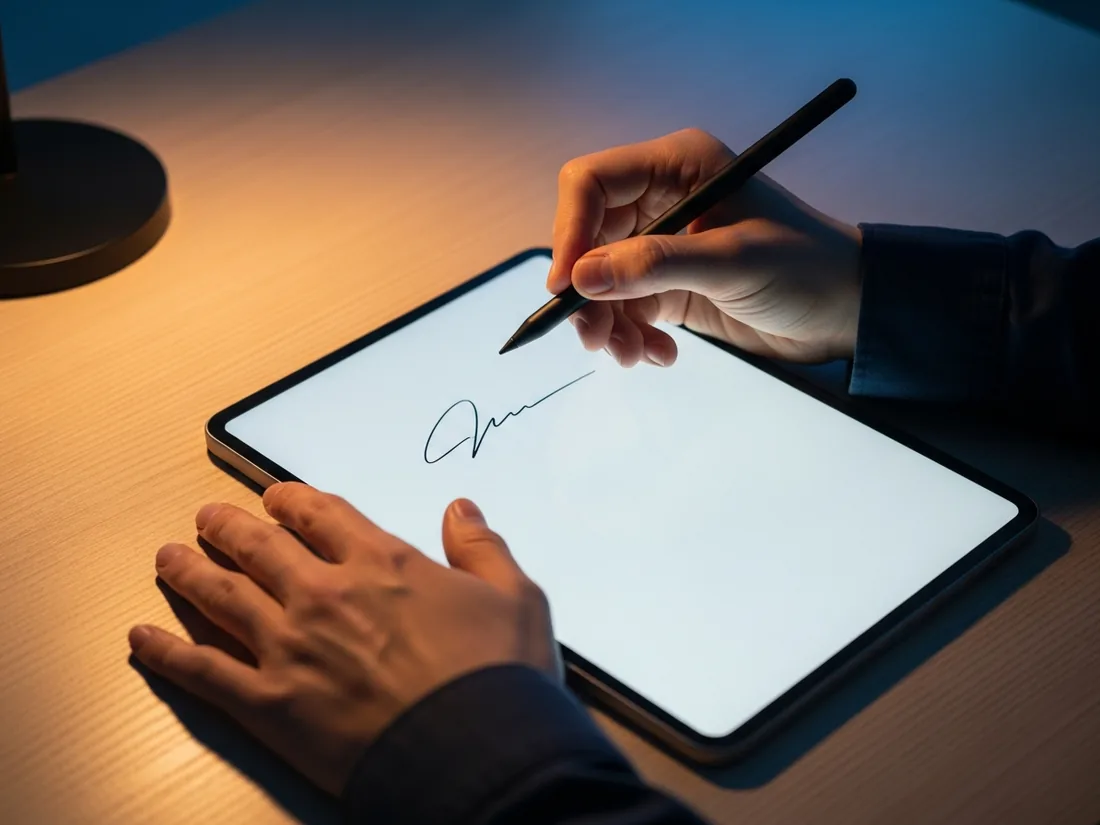
A creator’s hands signing content on a tablet at a desk before publishing.
  1. Finish, then submit

    Send a finished piece to Maester before publishing — through the app, the web, or a mobile share-sheet.

  2. Confirm and sign

    Maester confirms your identity, then signs and registers the file in a tamper-evident registry.

  3. Publish with a record

    Your content comes back with a verification record you can rely on wherever you post it.

For everyone

Check content

Confirm what you’re about to trust.

A person checking content on their phone, a quiet glow of confirmation on the screen.
  1. See the mark

    A browser extension marks verified content right in your feed — the primary way to check, free for anyone.

  2. Or submit it

    Paste a link or upload a file to check it directly, any time.

  3. Get a plain verdict

    Maester reports who it’s verified by and whether anything changed — or that there’s no verified record yet.

The AI engine

Cryptography proves what’s genuine. AI covers everything else.

Maester is fundamentally an AI company. Signing gives certainty for content that carries a record; a set of multimodal models gives coverage for the messy reality of altered copies and content with no record at all. That coverage layer is where most of our research and compute go.

  • Luminous flowing data texture suggesting a unique signature, on a deep ink background.

    Neural media fingerprinting

    Matches altered or re-encoded copies back to a verified original, so the proof survives the trip through a platform.

  • A single subtly highlighted region within a smooth surface, lit with a focused cyan accent.

    Tamper localization

    Pinpoints which region of a near-match copy was changed, rather than only flagging that something is off.

  • A real, present human face lit softly for liveness, against a deep ink background.

    Biometric identity & liveness

    Binds a real, present human to an account at the moment of verification, so a credential maps to a person.

  • Abstract macro of layered media textures suggesting analysis across image, video, and audio.

    Multimodal deepfake signal

    A secondary risk signal for content that carries no record — useful as input, never as the final word.

  • Elegant minimal pattern suggesting distinct sources converging, in blue and cyan light.

    Generator attribution

    Estimates which family of models produced a synthetic asset, adding context to an uncertain verdict.

Honesty is the product

Certainty when it exists. Honesty when it doesn’t.

When content is signed

Maester can state definitively that a specific file came from a specific person and has not been altered since. That is a fact, not a guess.

no verified record

When there’s no record

Maester reports exactly that — “no verified record” — and nothing more. The absence of a record is never presented as proof that something is fake. It only means nothing has been registered yet.

Who it’s for

Built for the people most worth impersonating.

Maester starts with creators and public figures — politicians, executives, journalists, and well-known online creators. They are the highest-value targets for impersonation, they have the motivation to act, and their verified work reaches the widest audiences.

When verification rides on content millions already watch, checking becomes a habit — without any separate distribution effort.

  • Public figures
  • Executives
  • Journalists
  • Online creators

Pricing

Checking is free, forever.

Verification grows the network and builds the habit. Revenue comes from the people who need to be verifiable — creators and organizations — never from the people checking.

  • Most Popular

    Individual

    Independent creators and public figures.

    $19/mo

    or $179/year — save 21%

    • A single verified identity
    • Sign and register your content
    • A verification record and badge
    • Browser extension and share-sheet
    • Monthly verification credits
    Coming soon
  • Pro

    Teams, agencies, and representatives who manage several people.

    $59/mo

    or $590/year — 2 months free

    • Multiple managed identities
    • Roles and permissions
    • Analytics and priority verification
    • A larger monthly credit pack
    Coming soon
  • Enterprise

    Studios, campaigns, and media organizations.

    Custom

    Volume, SSO and SLAs

    • Volume and single sign-on
    • Support commitments
    • Reliability guarantees
    Contact sales

Tiers differ by scale and management, not by access to verification. Every plan starts with a 14-day free trial — no card to begin. Save with annual billing.

Questions

Straight answers.

What does “verified” mean?

A verified person established that this exact file is theirs and has not been altered, and that was recorded in a tamper-evident registry. It is a statement about provenance, not a quality rating.

Is checking really free?

Yes — checking is free for everyone, forever. Revenue comes from creators and organizations who subscribe to be verifiable, never from the people checking.

What if there’s no record?

Maester reports “no verified record,” plainly. That is never a claim that the content is fake — only that nothing has been registered for it yet.

How is this different from deepfake detection?

Detection guesses real-or-fake and gets weaker as generative models improve. Maester proves provenance from a signature and uses AI for coverage, not as the source of truth.

What about embedded metadata, like C2PA?

Embedded provenance is sound in principle but fragile in practice — platforms routinely strip it and re-encode media on upload. Maester’s record lives outside the file and re-links to it with a neural fingerprint.

Does it survive a platform re-encoding my video?

Yes. When a copy is re-encoded or altered, the neural fingerprint matches it back to your original, so the verification still holds.

Who is Maester for first?

Creators and public figures — the people most targeted by impersonation, and whose verified content reaches the widest audience.

How do I sign my content?

Before publishing, submit it through the app, the web, or a mobile share-sheet. Maester confirms your identity, then signs and registers the file.

Prove what’s real.

Get verified so your work carries proof — or check what you’re about to trust. Checking is always free.

Coming soon How it works